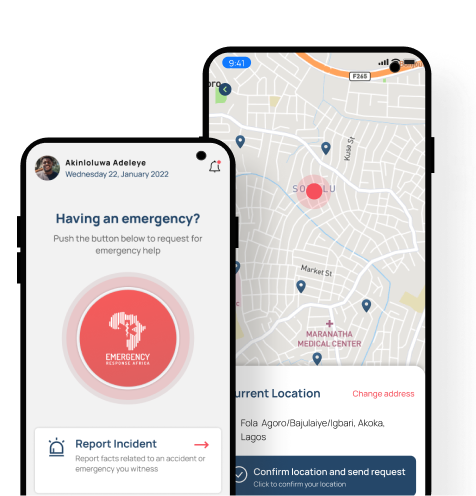
How Edo State Transformed Emergency Response with Emergency Response Africa
Every year in Nigeria, millions of people lose their lives to preventable causes such as road traffic accidents, heart conditions, and pregnancy complications. The main cause is not just illness or injury; it’s the absence of a dependable emergency medical system.
In Edo State, this challenge was impossible to ignore. Many emergencies ended in tragedy due to delays, limited resources, and a lack of trained responders. Determined to change this, the Edo State Government launched the Edo Emergency Medical Services (Edo EMS) project in March 2024 in partnership with Emergency Response Africa (ERA) and support from the Fund for Innovation in Development (FID).
Challenge
Before the project began, Edo State’s emergency care system struggled with serious limitations. Ambulances were scarce and poorly coordinated, and most people had little confidence in the system’s ability to respond when lives were at risk. Hospitals were overstretched, leaving frontline health workers to face more emergencies than they could handle.
Without a clear structure for response, residents often relied on untrained bystanders or commercial drivers to move patients in crisis. This lack of organization not only costs lives but also deepens public distrust in healthcare systems.
The government recognized that change would require more than just new vehicles or policies; it needed a complete shift toward community-led, technology-powered emergency response.
Solution
To bridge the gap, the Edo State Government partnered with Emergency Response Africa to design and deploy a modern, integrated emergency response system.
A major focus of the project was the Community-Based First Responder (CBFR) program. Local volunteers were selected and trained through intensive hands-on sessions that simulated real-world emergencies. Over six days, they learned practical life-saving skills, patient stabilization techniques, and effective communication during crises.
At the same time, the state revitalized its emergency hotlines—112 (national) and 739 (state), linking them to a fully functional Command and Control Center. This hub now coordinates ambulance dispatch, tracks response times, and connects responders directly with nearby hospitals.
Ambulance bases were strategically placed in key locations across Oredo, Egor, and Ikpoba-Okha local government areas to ensure medical help arrived within minutes. The Edo Health Insurance Scheme (EDOHIS) was integrated into the system, removing financial barriers and allowing residents to receive care without upfront payment.
This comprehensive approach, combining people, process, and technology, brought order, reliability, and trust back to emergency medical care.
Results
The results have been immediate and tangible. Edo State now has 170 trained Community-Based First Responders spread across 3 key local governments, creating a powerful safety network for residents.
Emergency response times have dropped dramatically, with many incidents now handled in under ten minutes. Each week, the system manages 20–30 emergency cases, ranging from road crashes to sudden health crises and maternal complications.
The Command Center’s real-time coordination has improved patient transfers and reduced hospital delays. Communities are more confident, and health insurance enrollment is rising as citizens see firsthand that care can be fast, professional, and effective.
What was once a weak link in the healthcare system has become one of Edo’s greatest public service achievements.
Why It Matters
Edo EMS has changed the narrative about what’s possible in emergency care across Nigeria. The project demonstrates that lives can be saved when communities are trained, technology is embraced, and government systems are connected. It has also inspired other states to explore similar partnerships, proving that innovation in public health doesn’t have to start from scratch, it can be built on collaboration and trust.
Lessons Learned
Strong partnerships between government, private innovators, and communities can deliver measurable impact faster than traditional health programs. Edo’s experience also highlighted the value of continuous public education. Early misconceptions about ambulances and emergency care were resolved through awareness campaigns, allowing citizens to see EMS as a service designed for them, not just a system for crises. Regular training, mental health support for responders, and ongoing community engagement continue to be critical to sustaining success.
Conclusion
Edo EMS represents a bold step toward a future where no Nigerian dies from a preventable emergency. Through technology, collaboration, and a focus on community, the Edo State Government and Emergency Response Africa have built a model that is saving lives today and shaping the health systems of tomorrow. If you represent a state, ministry, or agency looking to strengthen emergency response and protect your citizens, we’d love to collaborate.
📩 Contact us at contact@emergencyresponseafrica.com to learn more or discuss partnership opportunities.
Emergency help at the touch of a button.