Fire accidents are an unfortunate reality in Nigeria, occurring with alarming frequency across homes, markets, and offices. Often, these incidents begin with something as small as a spark, a fuel leak, or human negligence. Yet, what starts as a minor issue can quickly escalate, causing devastating losses before any effective intervention is possible.
Below are some of the major causes of fire outbreaks in Nigeria, and what you can do to stay safe.
1. Electrical Faults
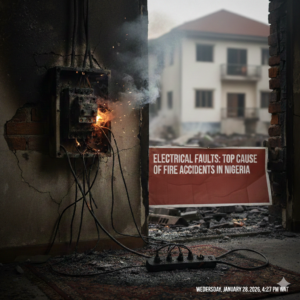
No one can do without electricity, but electricity can be so dangerous if not properly treated; it can become your worst enemy. Many fires in homes and offices come from bad wiring or overloaded sockets.
How to prevent it:
- Let a qualified electrician handle any wiring or repairs.
- Don’t plug heavy appliances like pressing iron, heater, or fridge into one socket.
- Unplug gadgets before sleeping or leaving the office.
- One small spark can start what nobody can stop.
2. Gas Leaks and Kitchen Fires
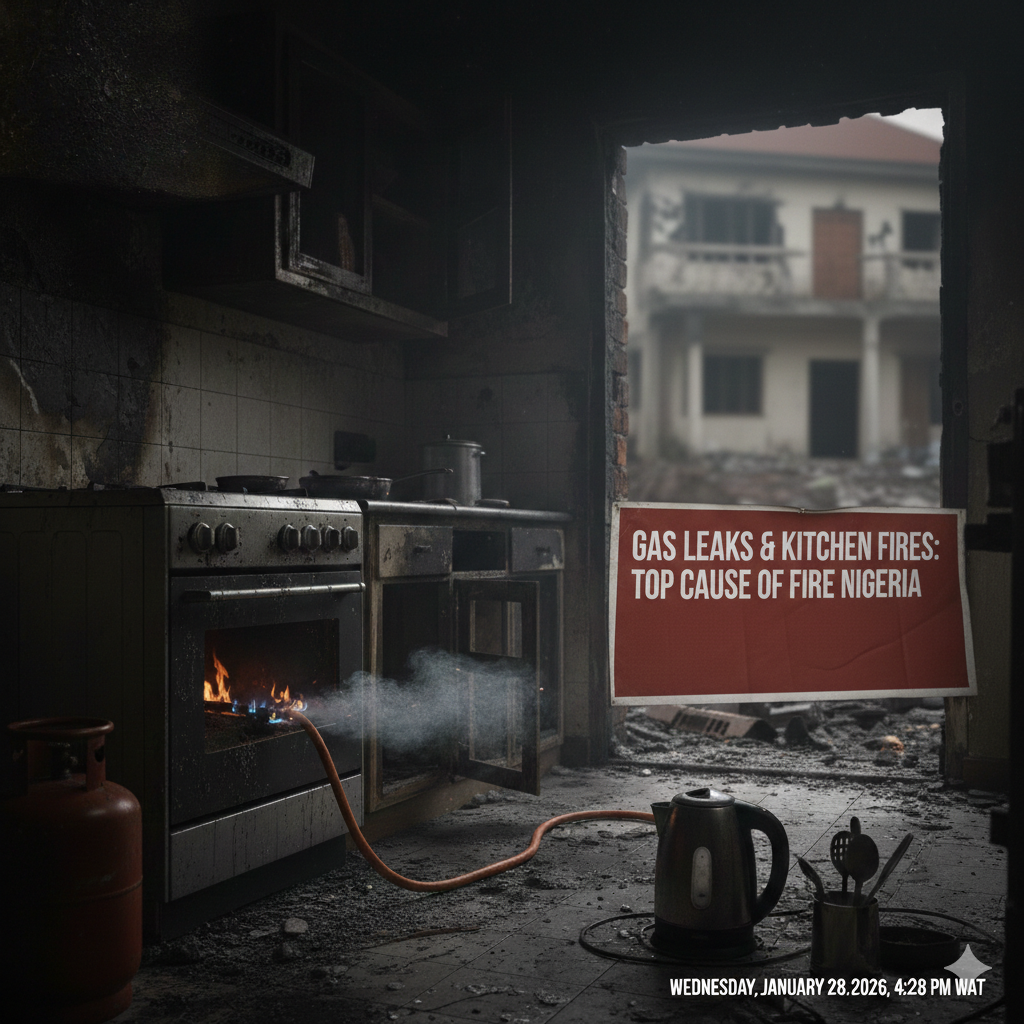
The sudden switch from kerosene stove to gas cylinder makes cooking faster, but it’s also a big fire risk. A small leak or forgotten pot is enough to destroy an entire kitchen.
How to prevent it:
- Check your gas cylinder and hose often (replace anything that looks old or cracked).
- Turn off the gas completely after cooking.
- Avoid taking calls or pressing your phone while cooking. Distraction causes mistakes.
3. Tanker Explosions
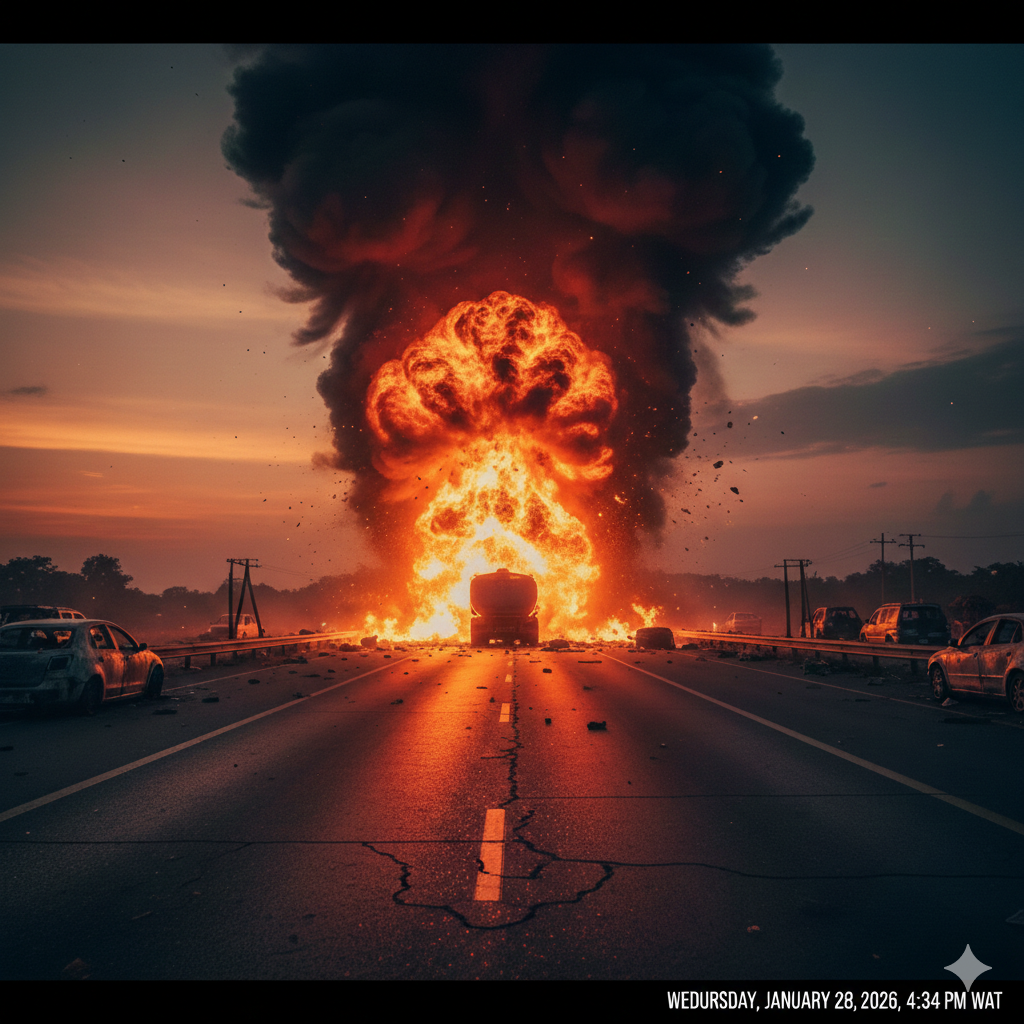
You’ve seen videos where a tanker falls, people rush to scoop fuel, and in seconds, everything is gone. That’s how many lives and properties are lost in Nigeria every year.
How to prevent it:
- Keep a safe distance from tankers, whether parked or moving.
- If you drive one, maintain it properly.
- Never go near a spill site, no matter how tempting it looks.
- The government and unions should keep enforcing safety rules.
4. Bush Burning During Harmattan
Harmattan season and bush fires go hand in hand. People burn bushes without monitoring them to clear land or catch animals, but once the fire spreads, the wind carries it everywhere.
How to prevent it:
- Avoid burning bushes on windy or dry days.
- Stay around to monitor the fire until it’s out.
- Clear the area around before lighting anything.
- Keep water or sand close in case it spreads.
5. Poor Storage of Flammable Items
Many people keep petrol or diesel in their homes, a small mistake that can cost everything. These materials are highly flammable and should be stored the right way.
How to prevent it:
- Use strong containers with labels.
- Keep them far from sunlight or flames.
- Store them in open, airy spaces.
- Never keep petrol inside the house
6. Solar Panel and Battery Fires
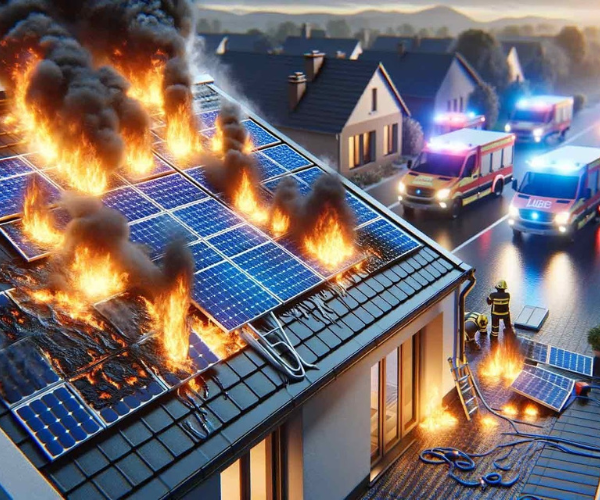
Solar systems are great, but fake products and poor wiring are a growing problem. A bad battery can explode or overheat and start a fire.
How to prevent it:
- Use trained solar installers, not random technicians.
- Buy quality batteries and panels from trusted dealers.
- Keep batteries in a cool place with enough ventilation.
- Don’t overload your inverter system.
7. Carelessness and Negligence
Carelessness and human negligence remain one of the major causes of fire outbreaks in Nigeria. From leaving candles or cooking gas unattended, to smoking near flammable materials or taking phone calls at filling stations, these seemingly minor actions often lead to devastating consequences. In many cases, fires are not caused by faulty equipment or natural factors, but by avoidable human errors that quickly escalate into major emergencies.
How to prevent it:
- Don’t smoke or use fire near gas or petrol.
- Put out candles and stoves before sleeping.
- Keep your surroundings neat and free from flammable waste.
- Follow safety rules always, even when you’re in a hurry.
CONCLUSION
It takes years to build a home, a business, or a community, but just minutes for a fire emergency to destroy it. Fire emergencies often start with a small spark or a neglected hazard, like an exposed wire, an unattended stove, or improperly stored fuel, that quickly spreads if left unchecked. Simple precautions, such as inspecting electrical wiring, turning off gas appliances, and storing fuel safely, can prevent a disaster before it happens. Protect your home, office, and everyone around you. While fire accidents in Nigeria cannot always be predicted, you can prepare to respond effectively. Emergency Response Africa (ERA) offers practical, certified fire safety and emergency preparedness training for individuals, offices, and organizations, in partnership with the Federal Fire Service Commission, giving you the skills to act confidently during a fire emergency.