
Dog bites are more common and more dangerous than most people realize. Globally, tens of millions of people are bitten by dogs each year, with children being the most affected. In Nigeria, many of these incidents occur in homes, streets, or informal settlements where vaccination and animal control are inconsistent.
The real risk lies not just in the bite itself, but in the delay or mishandling of care afterward. According to the World Health Organization (WHO), up to 59,000 people die annually from rabies, with over 99% of cases resulting from dog bites. A single mistake, like not cleaning the wound properly, can lead to serious infections, nerve damage, or even death.
That’s why knowing what to do in the first few minutes is crucial. This article outlines practical, step-by-step guidance for treating dog bites and protecting yourself and your loved ones from complications. We’ll also cover practical steps to avoid dog bites in the first place. Prevention and prompt action matter; let’s get started.
First Aid Steps for a Dog Bite

Acting quickly after a dog bite can prevent serious infections and save lives. Here’s what to do immediately:
1. Move to Safety
If the dog is still nearby, get to a safe area. Avoid provoking the animal further. Try to remember its appearance and whether it’s a stray or a known pet—this will be important for follow-up care.
2. Stop the Bleeding
Use a clean cloth or sterile gauze to apply firm pressure on the wound. For minor bites or scratches, bleeding may be minimal. For deeper punctures, control bleeding first before cleaning.
3. Wash the Wound Thoroughly
Gently clean the bite with soap and running water for at least five minutes. Avoid scrubbing harshly, but make sure all visible dirt, saliva, and blood are rinsed out. This is a critical step to reduce the risk of infection and rabies.
4. Apply an Antiseptic
After cleaning, apply an antiseptic like iodine, povidone-iodine, or chlorhexidine. These help kill remaining bacteria and viruses on the skin and within the wound.
5. Avoid Home Remedies or Oils
Do not apply kerosene, herbal pastes, salt, or any local concoctions. These can worsen the wound and make infection or rabies harder to manage.
6. Cover the Wound
Use a sterile bandage or clean dressing to loosely cover the bite. Avoid wrapping it too tightly, as that can interfere with blood flow or worsen swelling.
7. Seek Medical Help Immediately
Even small bites can be dangerous, especially if the dog is unknown or unvaccinated. Visit a hospital or clinic as soon as possible. You may need a tetanus shot, antibiotics, or post-exposure rabies prophylaxis.
Note: Do not ignore scratches or bites that don’t bleed. Rabies can still be transmitted through saliva on broken skin.
Signs That Require Urgent Medical Attention After a Dog Bite

Certain cases of dog bites need more than just first aid. Seek immediate medical attention if you notice any of the following:
- Deep puncture wounds or uncontrolled bleeding: Bites that go beyond the skin surface or won’t stop bleeding need urgent medical care and possibly sutures or surgical cleaning.
- Swelling, redness, or pus: These are classic signs of infection. Left untreated, wound infections can spread to the blood (sepsis).
- Numbness or limited movement: If the bitten area feels numb, weak, or stiff, it may signal nerve, muscle, or tendon damage.
- Fever or body chills: These systemic symptoms can appear within 24–72 hours and suggest a spreading infection.
- Bite on the face, neck, hands, or joints: These locations are high-risk due to proximity to vital structures and poor blood flow (which slows healing).
- The dog’s vaccination status is unknown, or it’s a stray. If the animal can’t be observed for rabies or its vaccination record is missing, post-exposure prophylaxis (PEP) is critical.
- Worsening pain or discoloration: Persistent pain, blackening of the skin, or rapid swelling may signal necrosis or serious infection like cellulitis.
Also, if the person bitten is a child, elderly, or immunocompromised, these groups are at higher risk for complications and should always be evaluated by a healthcare provider, even for minor bites.
How to Prevent Dog Bites in Daily Life
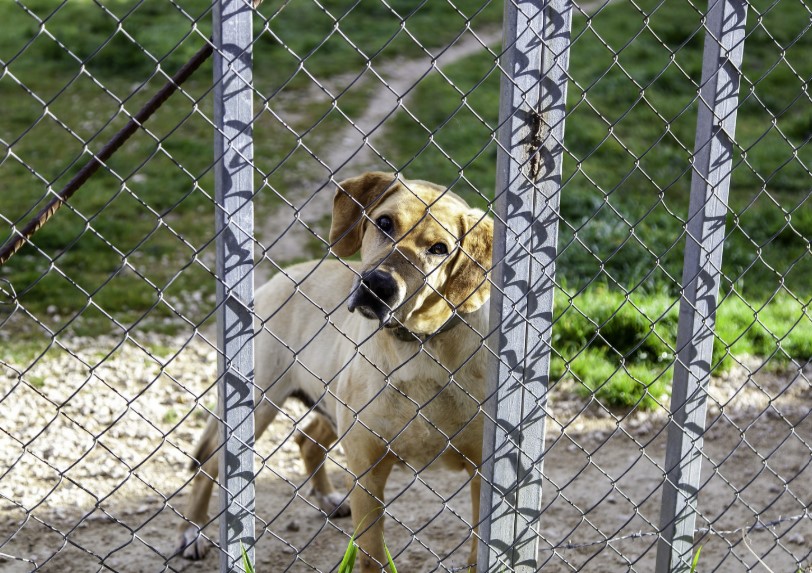
Dog bites are not always random. Many incidents can be avoided with simple habits and awareness, especially around unfamiliar dogs or poorly trained pets. Whether you’re a pet owner, parent, or passerby, here are practical steps to reduce your risk:
- Avoid Sudden Approaches: Never run toward or reach out to pet a dog you don’t know. Dogs may see sudden movements as threats and react defensively. Let the dog approach you first, and ask the owner for permission before contact.
- Watch for Warning Signs: Dogs show discomfort through body language. Back away if you notice growling, a stiff body, raised fur, pinned ears, or a fixed stare. These signs often come before a bite.
- Teach Children Safe Behavior: Children are at higher risk of bites, often from familiar dogs. Teach them to avoid hugging dogs, pulling ears or tails, disturbing sleeping or eating pets, or running away from dogs.
- Don’t Disturb Dogs While Eating or Resting: Many bites happen when people try to move a dog off a couch, touch its food bowl, or wake it abruptly. Give dogs space during meals, sleep, or when they appear anxious.
- Secure Your Own Pets: If you own a dog, ensure it’s properly trained, vaccinated, and socialized. Use leashes in public, and avoid letting your pet roam freely. Aggressive or fearful dogs should not be left unsupervised around visitors or children.
- Avoid Eye Contact with Aggressive Dogs: If a dog appears aggressive and you can’t safely leave, avoid direct eye contact. Stand still, turn slightly to the side, and speak calmly. Do not scream or run.
- Be Cautious Around Stray or Injured Dogs: Never try to help a stray or injured dog alone. Contact animal control or a local shelter. These dogs may bite from fear or pain.
Final Thoughts
Dog bites are a serious public health concern that are often underestimated—until they happen. Whether it’s a scratch or a deep wound, how you respond in the first few minutes matters a lot. Rabies, tetanus, and bacterial infections are real risks, but they’re preventable with prompt and proper care.
Beyond first aid, the real solution lies in a community-wide approach: responsible pet ownership, education on bite prevention, and improved access to emergency care. Emergency Response Africa (ERA) supports this vision by offering first aid training, emergency preparedness solutions, and tech-powered response systems for homes, schools, estates, and businesses.
If your organization, estate, or school needs a first aid plan, responder training, or help setting up an emergency system, ERA is ready to assist. Call 08000-2255-372 (toll-free) or email contact@emergencyresponseafrica.com to get started.
Frequently Asked Questions About Dog Bites
Can I Get Rabies from a Small Bite or Scratch?
Yes. Rabies can be transmitted through the saliva of an infected dog, even if the bite or scratch doesn’t bleed. If the dog’s vaccination status is unknown, always treat it as a potential rabies exposure and get medical care right away.
How Soon Should I Get the Rabies Vaccine After a Bite?
The rabies vaccine should be started immediately after a possible exposure — ideally within 24 hours. It’s most effective when given alongside rabies immunoglobulin (RIG) for unvaccinated individuals. Follow-up doses will be scheduled over two to four weeks.
Do I Need a Tetanus Shot After a Dog Bite?
Yes, especially if your last tetanus shot was more than 5–10 years ago or the bite is deep and dirty. Your doctor may also administer tetanus immune globulin (TIG) if you’re not up to date on vaccination.
Are All Dog Bites Treated with Antibiotics?
Not always. Antibiotics are prescribed based on the location, depth, and risk of infection. High-risk bites — such as on the hand, face, or from an unvaccinated dog — usually require antibiotics like amoxicillin-clavulanate. Always consult a doctor before taking any medication.
Can I Use Kerosene, Salt, or Herbal Remedies to Clean a Dog Bite?
No. These substances can worsen the wound and increase the risk of infection or delayed healing. Always use clean water, soap, and proper antiseptics, and then seek medical attention.
What Should I Do If I Can’t Find the Dog That Bit Me?
If the dog is a stray or cannot be observed for 10 days, assume it may be rabid. Begin rabies post-exposure prophylaxis (PEP) immediately at a certified healthcare facility. Delaying treatment can be fatal.