
Dental emergencies may not get the same attention as heart attacks or broken bones, but they can be just as painful and just as urgent. Whether it’s a child losing a tooth or an adult in sudden tooth pain, quick action in those first few minutes is critical.
In Nigeria, where access to emergency dental care is often limited outside urban centers, basic first aid knowledge is crucial. Quick action can help reduce pain, prevent infection, and in some cases, save a tooth entirely.
This guide walks you through the most common dental emergencies and exactly what to do before you reach a dentist. It’s practical, simple, and could spare you or someone you love from avoidable complications.
What Counts as a Dental Emergency?
Not every toothache or gum irritation is an emergency, but some dental problems need urgent care to prevent infection, permanent damage, or life-threatening complications. A true dental emergency is any condition that involves severe pain, uncontrolled bleeding, visible trauma, or swelling that spreads quickly.
Common dental emergencies include:
- Knocked-out tooth (avulsion)
- Cracked, broken, or chipped tooth
- Severe toothache
- Dental abscess or facial swelling
- Bleeding from the mouth that won’t stop
- Loose or dislodged tooth
- Injury to the soft tissues (gums, lips, cheeks)
- Jaw injury or dislocation.
First Aid for Common Dental Emergencies
Once a dental emergency occurs, panic is a natural response, but acting quickly and correctly is more important. While a visit to the dentist or hospital is almost always required, knowing the right first aid steps can reduce pain, prevent infection, and save your teeth. Below are some of the most common dental emergencies and what to do in each situation before professional care is available.
1. Knocked-Out Tooth (Tooth Avulsion)
This is one of the most time-sensitive dental emergencies. Whether from a fall, sports injury, or accident, a tooth that is completely knocked out must be treated within 30 to 60 minutes to increase the chances of successful re-implantation.
Immediate First Aid Steps:
- Handle the tooth gently by the crown only (the chewing part), not the root.
- Rinse the tooth briefly with clean water if it’s dirty; do not scrub or remove tissue fragments.
- If possible, reinsert the tooth into its socket and bite down on a clean piece of gauze to hold it in place.
- If reinsertion isn’t possible, store the tooth in milk, saline solution, or inside the cheek (for adults only).
- Get to a Dentist or Hospital Immediately
Important: Do not store the tooth in water. Water can damage the root cells needed for successful reattachment.
2. Cracked or Broken Tooth
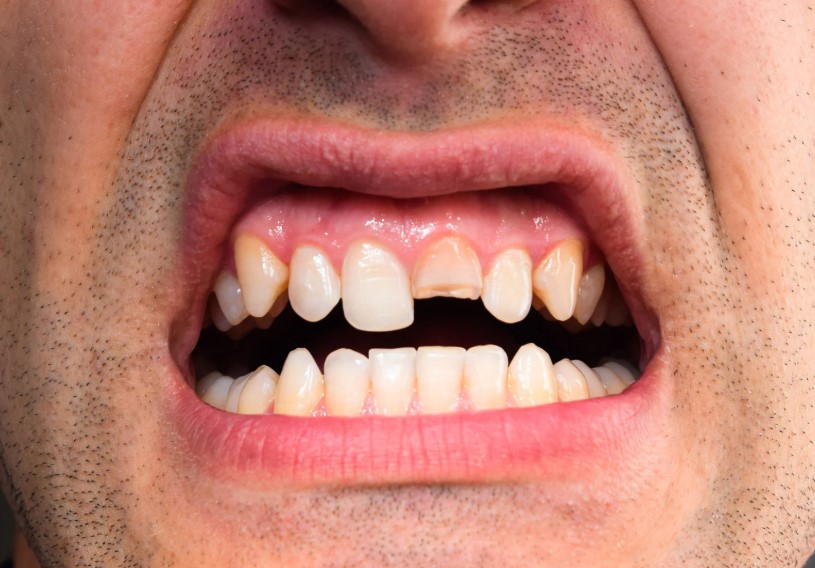
Cracks or fractures can result from chewing hard foods, trauma, or even untreated cavities. While not always life-threatening, a broken tooth can cause severe pain and lead to further damage or infection if left untreated.
Immediate First Aid Steps:
- Rinse your mouth gently with warm water to clean the area.
- If bleeding, apply gentle pressure with a clean gauze or cloth.
- Save any broken tooth fragments in milk or saline if possible.
- Apply a cold compress to the cheek to reduce swelling and relieve pain.
- Avoid chewing with the affected side of your mouth.
- Take over-the-counter pain relievers like paracetamol or ibuprofen if needed.
3. Severe Toothache
A persistent or intense toothache may be caused by tooth decay, infection, a damaged filling, or an exposed nerve. The pain may radiate to the jaw, ear, or head.
Immediate First Aid Steps:
- Rinse your mouth with warm salt water to help reduce swelling.
- Gently floss around the tooth to remove any trapped food particles.
- Apply a cold compress to the cheek near the pain site to relieve inflammation.
- Avoid placing aspirin or other painkillers directly on the gums or teeth, as they can burn the tissue.
- Take over-the-counter pain relief only if necessary and consult a dentist.
4. Dental Abscess
An abscess is a pocket of pus caused by a bacterial infection, usually near the root of a tooth or between the gum and tooth. It can cause swelling, throbbing pain, bad breath, and even fever.
Immediate First Aid Steps:
- Rinse your mouth several times a day with warm salt water to help draw the infection out.
- Do not press or drain the abscess on your own; it may spread the infection.
- Apply a cold compress if there’s facial swelling.
- Visit a dental clinic or hospital as soon as possible. Untreated abscesses can lead to life-threatening infections.
5. Bleeding That Won’t Stop
Bleeding from the mouth after an injury, dental procedure, or gum trauma can sometimes be severe. If the bleeding doesn’t stop after several minutes, it may indicate damage to a blood vessel or underlying tissue.
Immediate First Aid Steps:
- Rinse the mouth gently with cold water to clear the area.
- Fold a clean gauze or sterile cloth, place it over the bleeding spot, and bite down or apply firm pressure for 10–15 minutes.
- Keep the head elevated even if lying down; this helps reduce blood flow to the area.
- Do not spit, rinse repeatedly, or suck on the wound, it can disturb clot formation.
- If bleeding continues after 30 minutes, go to a hospital or dental clinic immediately.
6. Loose or Dislodged Tooth
A loose tooth in an adult is never normal and could result from trauma or gum disease. A dislodged (partially out-of-place) tooth requires urgent care.
Immediate First Aid Steps:
- Try to gently reposition the tooth using light finger pressure; don’t force it.
- Bite down gently on gauze to keep the tooth in place.
- Avoid touching, wiggling, or biting with the affected tooth.
- Get to a dentist urgently for stabilization.
7. Soft Tissue Injuries (Lips, Gums, Inner Cheeks)
Cuts, punctures, or tears inside the mouth can bleed heavily and become infected if not managed properly.
Immediate First Aid Steps:
- Rinse your mouth gently with warm salt water to clean the area.
- Apply pressure with gauze or a clean cloth if there’s bleeding.
- Use a cold compress on the outside of the mouth to reduce swelling.
- Avoid hot, spicy, or acidic foods until the area heals.
- For deep cuts or persistent bleeding, seek dental or medical care; stitches may be needed.
8. Jaw Injury or Dislocation
Trauma to the jaw can cause dislocation, fracture, or serious joint problems. Signs include pain when moving the jaw, difficulty closing the mouth, misalignment, or visible swelling.
Immediate First Aid Steps:
- Do not attempt to pop the jaw back into place on your own.
- Apply a cold compress to reduce pain and swelling.
- Keep the jaw still, support it gently with a scarf or cloth tied under the chin.
- Avoid talking or chewing until medical help is available.
- Head to the emergency room or dental hospital for proper assessment and treatment.
When to Seek Immediate Dental Help
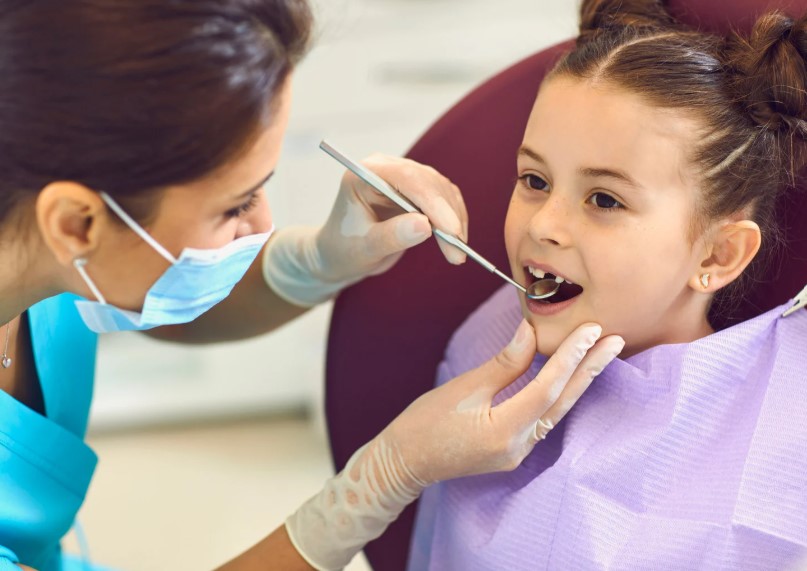
Delaying care in the following situations can lead to permanent damage, severe infection, or even life-threatening complications. You should go straight to a dentist or emergency room if:
- The pain is severe and doesn’t improve with medication
- There’s uncontrollable bleeding in the mouth
- A tooth has been knocked out, loosened, or broken at the root
- You experience facial swelling, fever, or difficulty breathing
- You suspect a broken jaw or dislocated joint
- An abscess is causing significant swelling, especially around the eye or neck
- There’s visible pus or signs of spreading infection
Preventive Tips to Avoid Dental Emergencies
Many dental emergencies can be prevented with good habits and a little extra care. Here are practical tips to reduce your risk:
- Maintain Daily Oral Hygiene: Brush twice a day with fluoride toothpaste and floss once daily. This keeps gums and teeth strong and reduces the risk of cavities, decay, and gum disease.
- Visit the Dentist Regularly: Don’t wait for pain to see a dentist. Routine checkups (every six months) help detect issues early before they turn into emergencies.
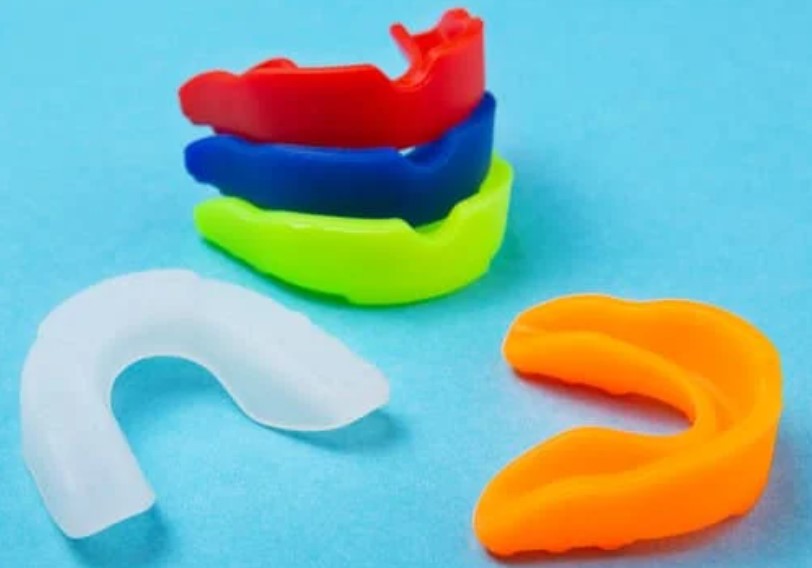
- Use Mouthguards for Sports: If you or your child play contact sports like football, basketball, or boxing, always wear a custom-fitted mouthguard. It can prevent tooth loss, fractures, and jaw injuries.
- Avoid Using Teeth as Tools: Never use your teeth to open bottles, rip packages, or crack nuts. These habits increase the risk of chipping, cracking, or loosening a tooth.
- Be Cautious with Hard Foods: Ice cubes, popcorn kernels, bones, and hard candies can all break teeth. Chew carefully and avoid biting down forcefully on hard or crunchy foods.
- Address Dental Problems Early: Don’t ignore small issues like sensitivity, mild pain, or bleeding gums. Early treatment prevents escalation and reduces the chance of sudden emergencies.
- Keep Children Supervised with Oral Objects: Children are more prone to dental injuries. Ensure they don’t run with objects in their mouths and discourage habits like chewing on pens or pencils.
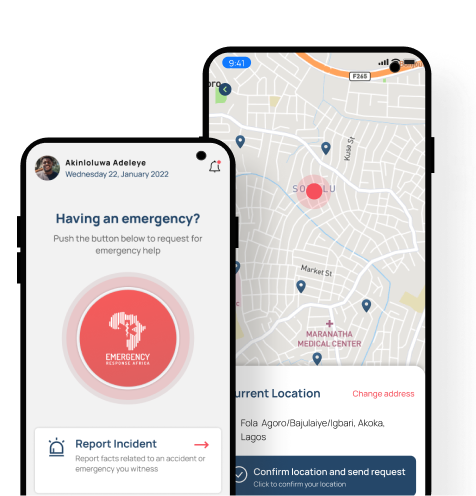
- Store Emergency Contacts: Have the contact information of a trusted dentist or emergency dental clinic saved in your phone. In places where access to immediate dental care is limited, Emergency Response Africa can connect you to trained responders who assist in stabilizing dental or facial injuries until further help arrives.
Final Thoughts
Dental emergencies may not come with a warning, but if not managed with care and urgency, they can lead to severe pain, permanent tooth loss, or life-threatening infections. While most people know to rush to a dentist, very few are prepared to act in those first critical moments.
First aid knowledge is essential to protect lives, prevent complications, and preserve long-term oral health. For schools, workplaces, estates, and communities, having trained responders and a clear plan prevents panic and ensures swift, effective action when it matters most.
Emergency Response Africa (ERA) helps make that preparation possible. From first aid training to tailored emergency plans, ERA supports organizations and communities to stay ready for whatever may happen. To equip your team with dental and general emergency readiness, call 08000-2255-372 (toll-free) or email contact@emergencyresponseafrica.com today.