Emergency medical access can mean the difference between life and death, especially in high-risk situations like road crashes, childbirth, or cardiac arrest. In Edo State, this reality has sparked a shift toward building a more structured and reliable emergency response system.
Until recently, many residents relied on private vehicles or commercial transport during medical crises, often facing long delays and poor outcomes. The lack of a coordinated ambulance system left communities vulnerable, especially in peri-urban and rural areas where hospitals were far and transport options were limited.
However, this is beginning to change. Edo now has a growing network of providers offering professional ambulance service with trained responders, centralized dispatch, and better coordination between facilities. These improvements aim to reduce preventable deaths by ensuring that people in critical need can access care quickly and safely.
This article outlines how to access ambulance services in Edo State today—what options exist, how they work, and what to do when an emergency strikes.
1. Edo Emergency Medical Services (EdoEMS)
- Phone: 112 (National Emergency Number), 739 (Edo State Emergency Line)
- Email: contact@emergencyresponseafrica.com
- Location: Oredo, Egor, and Ikpoba-Okha LGAs, Edo State (with plans for state-wide expansion)
Edo Emergency Medical Services (EdoEMS) is Edo State’s first structured and tech-enabled emergency response system. Launched in March 2024, it is a public-private partnership between the Edo State Government and Emergency Response Africa (ERA). The initiative was designed to address the long-standing gap in pre-hospital emergency care, starting with a pilot in Benin City and surrounding LGAs.
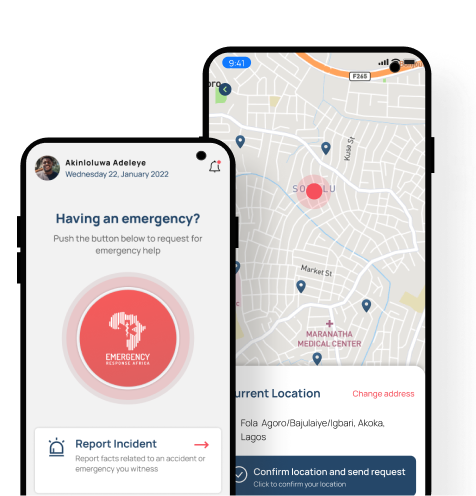
EdoEMS integrates a toll-free emergency line, real-time dispatch coordination, trained Community-Based First Responders (CBFRs), and strategically placed ambulances at Primary Healthcare Centres (PHCs). The service operates through a centralized command center supported by ERA’s technology platform, ensuring rapid connection between callers, first responders, and hospitals.
The program has already trained over 200 CBFRs and activated multiple ambulance hubs, with expansion planned across all 18 LGAs.
Services Offered:
- 24/7 ambulance dispatch via toll-free lines 112 and 739
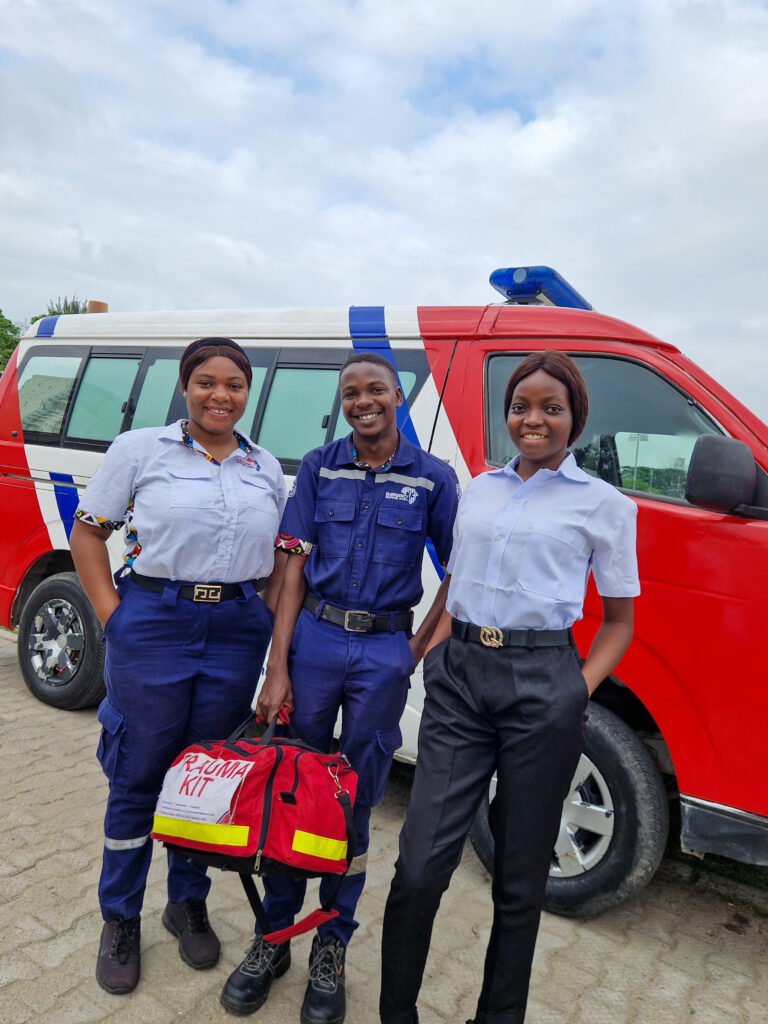
- Community-Based First Responders (CBFRs) for first aid and scene stabilization
- Real-time dispatch and ambulance tracking through ERA’s technology platform
- Maternal emergency transport for high-risk pregnancies
- Road accident and trauma response coordination
- Referral transport from PHCs to tertiary hospitals
- Enrollment support for the Edo State Health Insurance Scheme (EDOHIS)
- Public education and community health promotion on emergency preparedness
2. University of Benin Teaching Hospital (UBTH) Ambulance Services
- Email: info@ubth.org
- Location: UBTH Road, Ugbowo, Benin City, Edo State
The University of Benin Teaching Hospital (UBTH) is one of Nigeria’s foremost tertiary healthcare institutions, serving as a regional referral center for complex medical and surgical cases. As part of its robust emergency care infrastructure, UBTH operates a fleet of ambulances that provide essential emergency and interfacility ambulance services across Edo State and neighboring regions.
UBTH’s Accident & Emergency Unit runs 24/7 and is supported by experienced paramedics, trauma specialists, and emergency nurses. Their ambulance services are primarily utilized for emergency patient pickups, trauma referrals, and inter-hospital transfers.
Though access is often prioritized for UBTH patients or those referred from other facilities, the ambulances are also deployed during mass casualty incidents or in collaboration with government agencies during large-scale emergencies.
Services Offered:
- 24/7 emergency ambulance services via UBTH A&E
- Trauma and accident response within Benin and the surrounding areas
- Inter-hospital transfers to and from secondary healthcare facilities
- Maternal and neonatal emergency transport
- Ambulance support for UBTH medical outreach and public health campaigns
- Collaboration with FRSC and EdoEMS during critical emergencies
- Ambulance availability for campus and teaching hospital operations
3. BlueLight Emergency Medical Services
- Email: info@bluelighthealth.ng, careers@bluelighthealth.ng
- Location: No 2 Ukponwan Avenue, off Patrick Ehimen Street, off Ist, Ugbor Road, GRA 300102, Benin City
BlueLight Emergency Medical Services is a private EMS provider founded in 2020, operating primarily in Benin City with reach into neighboring Edo communities. The service specializes in rapid response trauma care and inter‑facility transfers, supported by a fleet of well‑equipped ground ambulances and trained emergency personnel.
Notably, BlueLight offers ICU-level mobile care, including ventilators, cardiac monitors, and critical medications. Their advanced communication systems enable GPS-enabled dispatching, real-time tracking, and telemedicine support for remote patient monitoring.
They also provide air ambulance options, a cutting-edge service for high-priority and long-distance transfers, rare among private providers in the region. BlueLight works closely with hospitals, FRSC, and event organisers to provide on-site medical standby and pre-hospital critical care.
Services Offered:
- 24/7 emergency ambulance dispatch (BLS/ALS)
- On-scene trauma care and triage
- Inter-hospital transfers, including ICU-level support
- Air ambulance service for long-distance critical care
- GPS-based dispatch and telemedicine capabilities
- Event standby and site medical coverage
4. JOH Services – Ambulance Department
- Email: info@joh.com.ng
- Location: Benin City, Edo State
JOH Services runs a dedicated ambulance department based in Benin City, offering both emergency and pre-planned medical transport. While best known for supporting hospital and maternity transfers, their service is also available to the public for acute medical situations.
Their fleet is staffed by trained drivers and basic first aid practitioners, ensuring safe and swift transfers. Advance booking is available, but they also respond to urgent calls, especially when hospital-registered referrals are involved.
Services Offered:
- Emergency ambulance response within Edo State
- Inter-hospital and home-to-hospital patient transfers
- Ambulance leasing and procurement support
- Medical escort services for long-distance travel
- Corporate medical coverage for events and projects
- Equipment-supplied ambulances with trained support staff
How to Call for an Ambulance in Edo State
When emergencies strike, staying calm and knowing what to do can save lives. Follow these six simple steps to get help fast:
- Dial the Right Emergency Number: For EdoEMS powered by ERA, dial 112 or 739—both are toll-free and available 24/7. For private providers like BlueLight EMS, UBTH, or JOH Services, call their direct hotlines as listed above.
- Share Your Exact Location: Give clear details like your LGA, street name, and nearby landmarks. Mention if you’re inside a building or by the roadside.
- Describe the Emergency: Say what happened and the condition of the person involved. For example: accident, childbirth, unconsciousness, or chest pain.
- Stay on the Line: Don’t hang up too soon. The dispatcher may give you important instructions or updates while help is on the way.
- Make the Place Easy to Reach: Clear pathways, open gates, or ask someone to wait outside to guide the responders.
- Stay Calm and Monitor the Patient: If you’re trained in first aid, offer basic help like stopping bleeding or checking breathing. Keep the person safe and calm until professionals arrive.
Final Thoughts
Access to emergency care is a basic need, and every home, school, estate, workplace, and community in Edo State deserves a reliable system that works when it matters most. Edo is making commendable progress with services like EDOEMS and hospital-based ambulances, but preparedness must go beyond awareness.
Emergency Response Africa (ERA) is helping bridge the gap through tech-powered ambulance services, training, and custom emergency plans for institutions, residential estates, schools, and more. To partner with ERA or activate support in your location, call 08000-2255-372 (toll-free) or email contact@emergencyresponseafrica.com. Don’t wait for a crisis. Start building your emergency response plan today.
FAQs About Ambulance Services in Edo State
What Ambulance Services Are Available in Edo State?
Edo State has a growing network of ambulance providers, including Edo Emergency Medical Services (EDOEMS) by Emergency Response Africa (ERA), University of Benin Teaching Hospital (UBTH), BlueLight EMS, and JOH Ambulance Services. These providers offer both emergency and non-emergency medical transport across Benin City and surrounding areas.
How Can I Contact Edo Emergency Medical Services (EdoEMS)?
You can reach Edo Emergency Medical Services (EdoEMS) by dialing 112, the national emergency number, or the Edo State emergency line, 739. These lines are available 24/7 and are designed to connect you to the nearest ambulance provider and trained emergency responders quickly.
Can I Get An Ambulance In Rural Parts Of Edo State?
Yes, ERA’s EdoEMS service is working to expand rural coverage in Edo. Some providers like UBTH and JOH Services may have limitations in rural areas, but ERA’s technology-enabled system increases reach and coordination.
Are Ambulances In Edo State Free?
Some ambulance services under EdoEMS (powered by ERA) are subsidized through public-private partnerships, especially in cases involving state-supported referrals. Others, like UBTH and JOH, may charge based on distance, emergency type, or insurance coverage.
What Types Of Emergencies Do Edo State Ambulance Services Handle?
Ambulance providers in Edo handle a range of emergencies, including road traffic accidents, childbirth complications, medical collapses, trauma, inter-hospital transfers, and standby services for public events.
Can I Book A Non-Emergency Ambulance In Edo State?
Yes. Emergency Response Africa, JOH Ambulance Services, and some hospitals in Edo allow you to schedule non-emergency medical transportation in advance. This is useful for planned discharges, clinic visits, and referrals.