
Babies are curious, fragile, and often unpredictable. One minute they’re giggling, the next they’re grabbing something sharp, hot, or dangerous. For new and experienced parents, having the right supplies and knowing how to use them can make all the difference in a health emergency.
In Nigeria and many parts of the world, access to emergency care can be delayed by traffic, distance, or lack of nearby services. That’s why every parent needs a well-equipped baby first aid kit and basic knowledge of how to respond during common baby health scares.
From high fevers to insect bites, minor burns to choking incidents, babies face risks every day. This guide breaks down exactly what to keep in your baby’s first aid kit and how to stay ready for emergencies. With the right items and preparation, you can act fast and confidently when your baby needs you most.
13 Must-Have Items in a Baby First Aid Kit
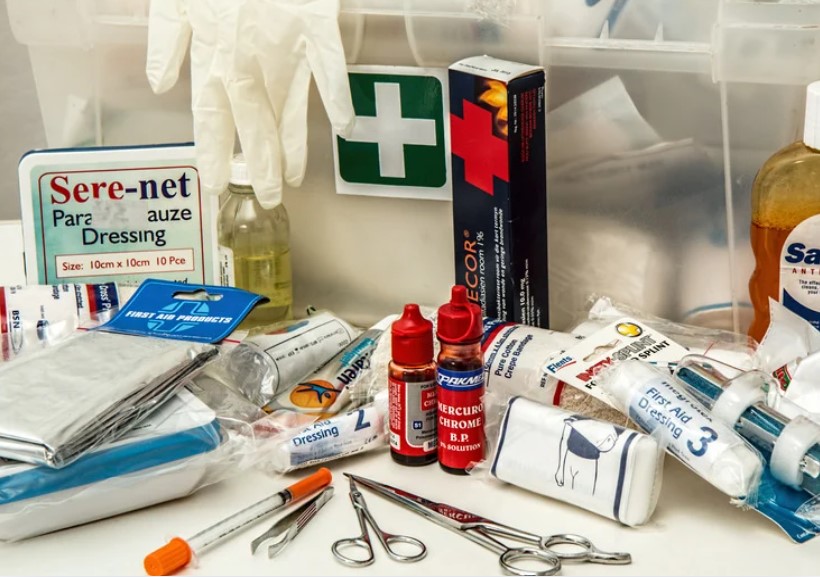
A baby’s first aid kit should be more than just a box of plasters. It’s a safety net for parents, especially in areas where emergency services may not always be readily available. Whether you’re at home, traveling, or visiting relatives, having these essentials ready can make all the difference when the unexpected happens.
At Emergency Response Africa (ERA), we emphasize preparedness as a core part of emergency response, and building a baby-specific kit is a vital step. Here’s what your kit should contain:
1. Digital Thermometer
A fever is often the first sign of infection in babies. Use a digital thermometer (rectal or underarm) for the most accurate reading. This allows parents to quickly determine when medical attention is needed.
2. Infant Paracetamol (Acetaminophen)
Approved for babies over 8 weeks (under a doctor’s guidance), this is essential for managing teething pain, post-vaccination fever, or general discomfort. Always follow the dosage instructions or consult your pediatrician.
3. Nasal Aspirator and Saline Drops
Babies cannot clear their nasal passages on their own. A bulb syringe or nasal aspirator, used alongside sterile saline drops, helps relieve congestion, allowing them to breathe and feed more comfortably.
4. Cotton Balls
Gentle and versatile, cotton balls are useful for cleaning eyes, ears (only the outer part), minor wounds, or applying ointments. They are safer for babies than swabs or tissues.
5. Medicine Dropper or Oral Syringe
For accurate dosing of liquid medications, a dropper or oral syringe ensures you deliver the correct amount without spillage or waste.
6. Sterile Gauze and Petroleum Jelly
These are especially helpful for circumcision care or protecting healing skin. The gauze protects the area while the jelly keeps it moist, reducing irritation from diapers or clothing.
7. Baby Nail Clippers and Emery Board
Babies’ nails grow fast and can scratch their faces or eyes. Clippers and a soft file help keep nails short and smooth without causing injury.
8. Infant Gas Drops or Gripe Water
Gas or colic can make babies very uncomfortable. AAP-approved gas drops (Simethicone) or gripe water can gently ease tummy discomfort.
9. Antiseptic Wipes (Alcohol-Free)
Use these to clean minor cuts, scrapes, or to disinfect your hands before tending to your baby. Alcohol-free varieties are less irritating to the baby’s sensitive skin.
10. Adhesive Bandages
Small bandages protect minor wounds from dirt and bacteria. Choose hypoallergenic options designed for baby skin.
11. Tweezers
Useful for removing splinters, stingers, or any foreign particles. Opt for blunt-tip tweezers for safety.
12. Cool Gel Pack
Keep one in the freezer. It can be used to relieve minor swelling, bumps, or bruises without needing to apply ice directly to your baby’s skin.
13. Emergency Contact Card
Include your baby’s doctor’s number, your local hospital, and the toll-free ERA emergency line (08000-2255-372). In emergencies, speed and access to care are everything.
First Aid for Babies: How to Respond to Common Health Emergencies Using the Kit
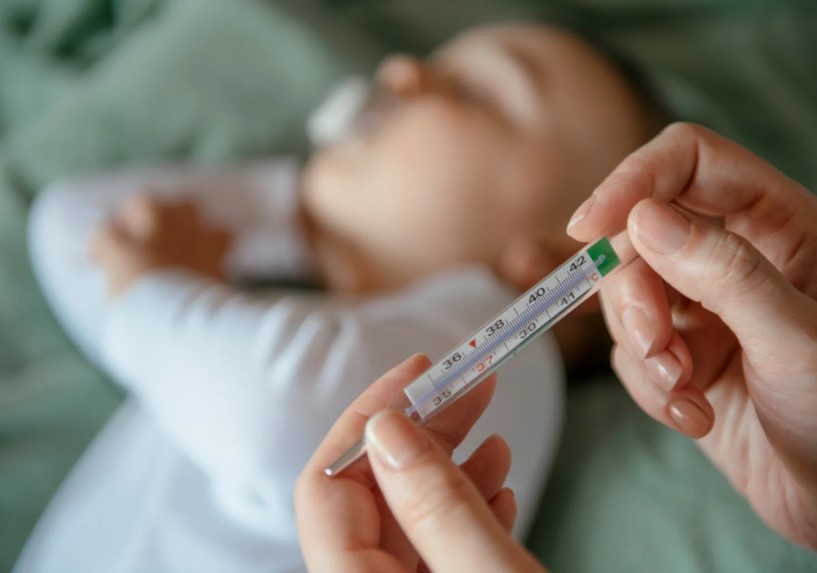
Having a well-stocked baby first aid kit and knowing how to use it gives you the confidence to act swiftly and safely. Here are some of the most common minor emergencies and how to respond using items from your kit:
Fever or High Temperature
What to Look For: Warm skin, irritability, flushed cheeks, sweating, or a temperature above 38°C (100.4°F).
What to Do:
- Use the digital thermometer to take an accurate reading under the arm.
- If your baby is uncomfortable or the fever is high, give a baby-safe antipyretic (like paracetamol or ibuprofen) based on weight and age, only with your doctor’s prior approval.
- Keep the baby hydrated and lightly dressed.
- Monitor closely and seek medical advice if the fever persists beyond 48 hours or if the baby is less than 3 months old.
Minor Cuts and Scrapes
What to Look For: Small surface wounds with light bleeding, often from crawling or falling.
What to Do:
- Wash your hands or use hand sanitizer.
- Gently clean the wound with sterile saline or antiseptic wipes.
- Apply an infant-safe antiseptic cream.
- Cover with a hypoallergenic adhesive bandage or gauze pad and paper tape.
- Monitor for signs of infection (swelling, redness, pus).
Diaper Rash or Skin Irritation
What to Look For: Red, inflamed skin in the diaper area or on cheeks, folds, or neck.
What to Do:
- Clean the area with gentle wipes or rinse with lukewarm water.
- Pat dry, do not rub.
- Apply a protective barrier cream or diaper rash ointment.
- Change diapers frequently and keep the area open to air when possible.
Nasal Congestion
What to Look For: Noisy breathing, difficulty feeding, or visible mucus buildup in the nose.
What to Do:
- Use saline nasal drops to loosen mucus.
- Gently suction out mucus with a bulb syringe or nasal aspirator.
- Elevate the baby’s head slightly while supervised (e.g., during naps or feeding).
Insect Bites or Mild Allergic Reactions
What to Look For: Small, itchy red bumps; mild swelling or irritation from mosquito or ant bites.
What to Do:
- Wash the area with clean water.
- Apply a baby-safe anti-itch cream or soothing gel.
- Use a cold compress to reduce swelling.
- Seek medical help if swelling worsens, especially near the eyes or throat.
Choking (Partial or Mild)
What to Look For: Coughing, gagging, difficulty breathing, or a panicked look while feeding.
What to Do:
- Sit the baby on your lap, face down along your forearm, and give 5 firm back blows between the shoulder blades.
- If unresolved, turn the baby face-up and give 5 chest thrusts using two fingers.
- If the baby becomes unconscious or stops breathing, begin CPR and call emergency services immediately.
Note: Never perform the Heimlich maneuver or give water/solids to a choking baby. Always follow up with a doctor after any choking incident.
7 Tips for Maintaining and Restocking the Baby First Aid Kit

A baby first aid kit is only useful if it’s well-organized, up-to-date, and fully stocked at all times. Babies grow quickly, and so do their medical needs; what’s right for a 2-month-old may no longer be suitable by 12 months. To ensure you’re always prepared, here’s how to maintain and restock your kit effectively:
1. Check Expiry Dates Every 3–6 Months
Medications, ointments, antiseptics, and saline drops all have expiration dates. Set a calendar reminder to inspect your kit quarterly. Replace anything that’s expired, even if unopened.
2. Restock After Every Use
If you use a bandage, thermometer cover, or teething gel, replace it immediately. This ensures you’re not caught without essentials during the next emergency.
3. Adjust Contents as Your Baby Grows
Outgrow the infant nasal aspirator? Teething gel no longer needed? Swap out items that are no longer age-appropriate and include products for your baby’s current stage, especially when transitioning from infancy to toddlerhood.
4. Store in a Cool, Dry, Easily Accessible Location
Keep the kit in a clean, dry place away from heat or direct sunlight, such as a linen cupboard or nursery shelf. Make sure all caregivers (parents, nannies, grandparents) know where it is.
5. Label Each Item Clearly
If you use a DIY container or pouch, label each compartment or item. This makes it easier to find what you need quickly, especially during emergencies or when someone unfamiliar is helping.
6. Keep a Checklist Inside the Kit
Print a list of essential items and tape it inside the kit lid. That way, anytime you use or lend the kit, you can check off missing items during restocking.
7. Have a Travel-Sized Version Ready
Create a compact, portable version of your kit for your diaper bag, car, or trips. Include the basics: thermometer, antiseptic wipes, fever medicine, and a few bandages.
When to Seek Emergency Medical Help
While many baby-related incidents can be managed at home with your first aid kit, some situations require immediate professional care. Knowing when to act fast can save your baby’s life. Here are red flags that mean it’s time to go straight to a hospital or call for emergency medical help:
- Difficulty breathing – especially if lips or skin turn blue, or breathing is noisy and labored.
- Unconsciousness or unresponsiveness – if your baby suddenly becomes limp or doesn’t wake up with gentle tapping.
- Seizures – jerking movements, stiff limbs, or staring spells that last more than a few seconds.
- High fever – especially in babies under 3 months, or if it’s above 39°C (102°F) and not responding to medication.
- Severe allergic reactions – swelling of the face, lips, or tongue; rash with breathing difficulty.
- Persistent vomiting or diarrhea – especially with signs of dehydration like dry mouth, no tears, or sunken fontanelle.
- Head injury with vomiting, confusion, or bleeding from the nose/ears.
- Bleeding that doesn’t stop after 10–15 minutes of gentle pressure.
If you’re unsure but feel something isn’t right, trust your instincts and seek medical help. Emergency Response Africa can connect you to trained responders and coordinate fast hospital care, even in hard-to-reach areas.
Conclusion
Emergencies involving babies are scary, but preparation makes all the difference. A complete first aid kit and basic skills empower you to respond confidently, even before help arrives.
Emergency Response Africa helps families, schools, and caregivers build this confidence. Whether you need first aid training, emergency planning, or access to ambulance services, ERA is here to support you. Call 08000-2255-372 (toll-free) or email contact@emergencyresponseafrica.com to get started today.