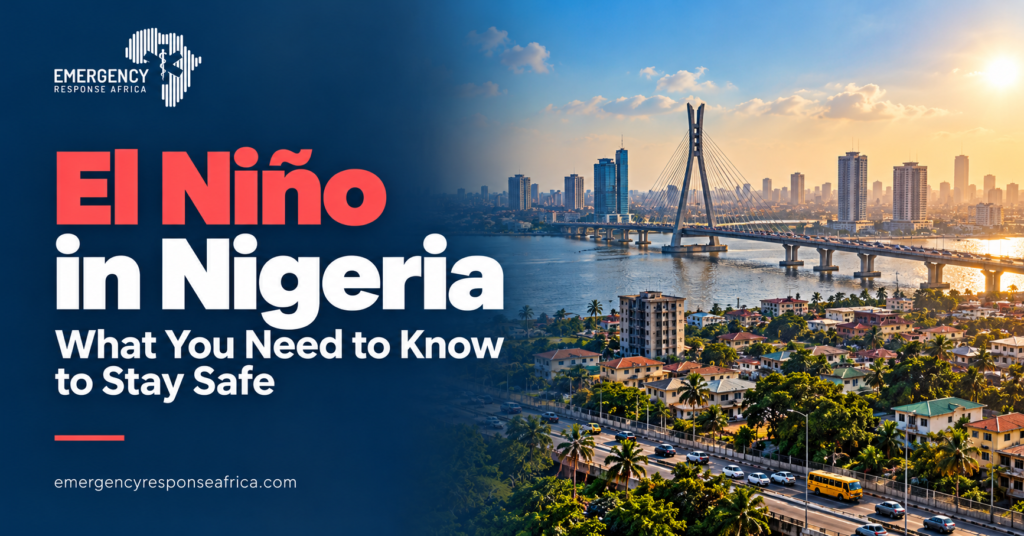
A hot afternoon can be difficult enough when you are waiting for a bus, working outdoors, or trying to settle a baby in a room without electricity. With El Niño making headlines in Nigeria, there is another reason to pay attention to how heat affects your health.
The World Meteorological Organization’s outlook issued on 21 October 2026 forecasts a strengthening El Niño through the November to January period, with a likely peak around December. Conditions will vary across Nigeria, so local forecasts matter alongside the international headlines.
Protecting your health starts with everyday decisions like drinking water more frequently during this period, spending time in cool outdoor environments, cooling down, and looking after people who need support. This guide explains 5 practical steps, followed by advice for homes without air conditioning, families and workplaces.
If someone becomes confused, collapses or has a seizure in the heat, call for emergency medical help and begin cooling them immediately.
What El Niño Means for Nigeria
El Niño is a climate pattern that develops when surface waters in the central and eastern tropical Pacific become unusually warm. Changes in ocean temperatures and winds can then influence weather far beyond the Pacific.
The WMO’s explanation of El Niño describes why its effects differ between regions. A stronger event does not mean that every Nigerian state will experience the same heat, rainfall or drought conditions.
In its August 2026 seasonal update, the Nigerian Meteorological Agency confirmed the onset of a strong El Niño. That update covered August to October. For decisions about work, travel or outdoor activities now, check NiMet’s latest forecasts for your location rather than treating an earlier seasonal outlook as a daily weather prediction.
You may also see the phrase “Super El Niño” in news reports. WMO uses classifications such as strong and very strong rather than that label. What matters for your household is the weather expected where you live and the precautions you can take.
How El Niño Can Affect Your Health
Health risks arise through changes in weather and living conditions. During very hot periods, the body can struggle to release heat, especially when humidity is high or someone is doing strenuous work.
The World Health Organization’s guidance on heat and health explains that excessive heat can cause heat illness and worsen existing conditions, including heart disease, diabetes and respiratory illness. Children, older people and people working in hot environments need particular attention.
Your precautions should therefore address the heat you are exposed to, the water you drink and how quickly you can get help if someone becomes unwell.
5 Ways to Protect Your Health During El Niño in Nigeria
1. Drink Water Regularly and Watch for Dehydration
Keep drinking water within reach and take regular drinks during the day, especially when you are sweating. If you will spend hours in traffic, at the market or on a worksite, plan where you can refill your bottle safely.
Dark yellow urine, passing urine less often, a dry mouth and dizziness can indicate dehydration. The NHS guide to dehydration explains these signs and when medical advice is needed. Persistent dizziness or difficulty keeping fluids down deserves prompt attention.
If a clinician has restricted your fluids because of heart or kidney disease, ask how to manage drinking during hot weather. Your usual treatment plan may need individual advice. Avoid relying on alcohol to quench thirst.
2. Plan Your Day Around the Heat
Move demanding outdoor tasks to cooler hours where possible. This could mean exercising earlier, changing a delivery schedule or breaking a long period of outdoor work into shorter sessions with proper rest.
Use shade when waiting outside and wear loose, lightweight clothing. A wide-brimmed hat can reduce direct sun exposure. Pay attention to how you feel even when the sky is cloudy, because heat and humidity can still make activity uncomfortable or unsafe.
For workers who cannot choose their hours, access to breaks and a cooler resting place needs to be arranged with the employer. The WHO’s hot-weather advice recommends reducing strenuous activity during the hottest part of the day.
3. Cool Your Body Before You Feel Unwell
Take a cool shower when practical, or use a damp cloth to wet your skin. Light clothing and bedding help avoid trapping unnecessary heat around your body.
Make time to recover somewhere cooler instead of continuing a task through growing discomfort. Someone who feels weak or dizzy should stop what they are doing and get out of the heat.
The WHO’s advice on staying cool includes spending time in a cool place when your home cannot be kept comfortable. Plan where you could go during a prolonged power outage, particularly if a child or older relative is struggling with the temperature.
4. Keep Drinking Water Safe
If your household stores water, use clean containers intended for food or drinking water and keep them tightly covered. Pour water out or use a tap rather than dipping hands or a shared cup into the supply.
Never reuse a container that held pesticides, fuel or other toxic chemicals. Keep stored drinking water away from heat and contamination, and follow local public health instructions if the supply is affected by flooding or an interruption.
The CDC’s emergency water storage guidance explains suitable containers and safe storage. Planning a reserve is especially useful when you depend on a pump that stops working during a power cut. Include water for preparing food and washing hands as well as drinking.
5. Make a Plan for People Who Need Extra Help
Agree who will check on an older relative living alone or help someone with limited mobility reach a cooler place. A specific arrangement is easier to follow than assuming another family member will call.
Keep emergency contacts, the home address and a list of regular medicines somewhere a helper can find them. Check that the person has access to water and can reach their phone. The CDC’s advice for older adults recommends regular checks during hot weather.
If someone takes regular medication, ask a doctor or pharmacist whether heat changes the precautions they need. Some medicines affect sweating, fluid balance or alertness. Do not stop or change prescribed treatment on your own.
How to Keep Your Home Cool During El Niño Without Air Conditioning
Keeping direct sun out and using cooler outdoor air can make a difference, even when air conditioning is unavailable.
- Shade windows receiving direct sunlight. Close curtains or blinds before the room becomes hot.
- Open windows when the air outside is cooler. Early morning or nighttime ventilation may help. Consider security and use insect screens where available.
- Limit hotter air coming in. When it is hotter outdoors than indoors, shade and close sun-facing windows. Avoid sealing people into a room that is becoming dangerously hot.
- Reduce heat generated indoors. Switch off unnecessary lights and appliances. Where possible, do cooking that produces a lot of heat during cooler hours.
- Use the coolest available room. Move daytime activities or sleeping arrangements there if it is safe and practical.
A fan can help you feel more comfortable, but it should not be your only protection in extreme heat. If the room remains very hot, arrange time in a cooler building, such as a relative’s home or an accessible public space.
If you use a fuel-powered generator, keep it outdoors and more than 6 metres from doors, windows and vents. Never run it indoors or in an enclosed space. The CDC warns that generator fumes can cause fatal carbon monoxide poisoning, even when a door or window is open.
How to Protect Children and Older People During El Niño
These family members may need help recognising discomfort, getting a drink or moving somewhere cooler. Prepare for their needs before the hottest part of the day.
Keeping Children Comfortable and Hydrated
Offer age-appropriate drinks regularly and schedule outdoor play for cooler hours. Children may become absorbed in playing and forget to pause. Never leave a child alone in a parked vehicle, even briefly.
For exclusively breastfed babies under six months, offer breastfeeds more often rather than adding water. If your baby uses formula, continue preparing it exactly as directed. Do not dilute feeds to make them go further. Ask a health professional for advice if feeding becomes difficult.
Watch for fewer wet nappies, unusual sleepiness, poor feeding or a child who is no longer responding normally. Seek prompt medical help for these signs, and emergency help if a child is difficult to wake or collapses. UNICEF’s heat safety advice for families explains why infants and young children need close attention.
Supporting Older Relatives and People With Existing Conditions
Check whether your relative can open a window, prepare a drink and move safely to a cooler room. If you are not nearby, arrange for someone local to visit during very hot periods.
Keep drinks accessible within any prescribed fluid limits. Ask a pharmacist how to store medicines during power cuts, especially products that need refrigeration. Do not assume every medicine can tolerate a hot room or a parked car.
The CDC’s guidance on heat and medicines explains how some treatments can increase heat sensitivity. People with chronic conditions, and pregnant women, should discuss any individual concerns with their clinician.
How Nigerian Employers Can Protect Workers From Extreme Heat
Construction workers, security guards, dispatch riders and market workers may have little control over their exposure. Indoor workers can also face high temperatures in kitchens, workshops and poorly ventilated buildings.
Employers should assess the actual conditions of the job, including physical effort, humidity, equipment and protective clothing. A weather forecast alone does not describe the heat beside an oven or beneath a metal roof.
The NIOSH workplace recommendations provide a practical basis for action.
- Put safe drinking water close to the work area and make refills easy.
- Schedule demanding tasks for cooler periods where possible, and provide a shaded or cooled place for breaks.
- Increase recovery time as conditions become hotter or the work becomes more demanding.
- Let new workers and those returning after time away build up their exposure gradually.
- Train supervisors to recognise heat illness and encourage workers to report symptoms promptly.
- Pair workers so someone can notice a colleague becoming confused, unsteady or unusually quiet.
The OSHA guidance on heat exposure also emphasises that breaks must be long enough for recovery. A lunch break alone may not provide enough protection during a hot shift.
Write emergency contacts in visible spaces in your workplace, train your employees to know how to provide first aid, and get an emergency cover plan. ERA’s emergency response planning service can help organisations assess preparedness and establish clear procedures. Share the plan with staff and practise it before an emergency.
When to Get Medical Help for Heat Exposure
Heat exhaustion and heatstroke often share warning signs like confusion, seizures, or loss of consciousness and need an immediate emergency response. Do not wait to confirm a temperature reading before calling for help.
| Condition | Signs you may notice | What to do |
| Heat exhaustion | Heavy sweating, headache, dizziness, weakness, nausea or cramps | Stop activity, move somewhere cool and begin cooling. Offer water only if the person is fully alert and can swallow safely. |
| Possible heatstroke | Confusion, unusual behaviour, collapse, seizures or loss of consciousness, often with a very hot body | Call for emergency medical help immediately and cool the person while help is arranged. Sweating may still occur. |
The CDC’s guide to heat-related illness makes an important point about heatstroke. A person may have dry skin or may be sweating heavily. Sweating does not rule it out.
For suspected heatstroke, move the person to shade or a cooler room, remove unnecessary clothing, wet their skin with cool water and fan them. Stay with them. Do not give drinks to someone who is confused, drowsy, unconscious or unable to swallow safely. Follow the emergency dispatcher’s instructions.
If someone becomes unresponsive, tell the dispatcher immediately. If they are breathing normally, place them on their side. If they are not breathing normally, start CPR and follow dispatcher guidance.
For heat exhaustion, seek urgent medical help if symptoms worsen or the person is still unwell after 30 minutes of cooling and fluids. The NHS guidance on heat exhaustion and heatstroke explains this escalation. Severe symptoms require help immediately, without waiting 30 minutes.
In a medical emergency, call Emergency Response Africa on 0800 022 55372. Give your exact location, a nearby landmark and a clear description of the person’s symptoms. ERA’s team can assess the situation and coordinate available emergency medical support.
Common Questions About El Niño in Nigeria
Is El Niño the Same as a Heatwave
No. El Niño is a large-scale ocean and atmosphere pattern. A heatwave is a period of unusually hot weather in a particular area. El Niño can influence the likelihood of heat in some regions, but local weather and other climate factors also matter.
How Long Will the Current El Niño Last in Nigeria
WMO’s outlook indicates that El Niño is likely to continue into early 2027, with a peak around December 2026. Its influence on weather can continue after that peak. Check updated WMO and NiMet forecasts as the season develops.
Does Every Part of Nigeria Face the Same Risk
No. Conditions can differ between states and within the same state. Your exposure also depends on your home, work, health and access to cooling. Use local weather alerts and personal circumstances to decide what precautions are needed.
Conclusion
Protecting your health during El Niño in Nigeria includes knowing how to get help when someone becomes seriously unwell. If a person collapses, becomes confused or loses consciousness in the heat, seek emergency medical help immediately.
Call Emergency Response Africa on 0800 022 55372. Our toll-free emergency line is always available 24/7, connecting you with a trained medical dispatcher who can assess the situation and coordinate help.
Save 0800 022 55372 as “ERA Emergency” on your phone today, and share it with your family and colleagues. Having the number within reach can help you act quickly when someone needs urgent medical attention.